

Menu
Preventing Future Foundation Issues in Stamford Homes
Concrete Foundation Repair Stamford
Preventing foundation problems in Stamford homes requires understanding Connecticut’s unique challenges, from the pyrrhotite crisis affecting thousands of properties to moisture management in coastal climates. Whether your home is near Lione Park or in neighborhoods around Rosa Hartman Park, proactive concrete foundation repair strategies and preventive maintenance protect your investment and ensure structural integrity for decades to come.
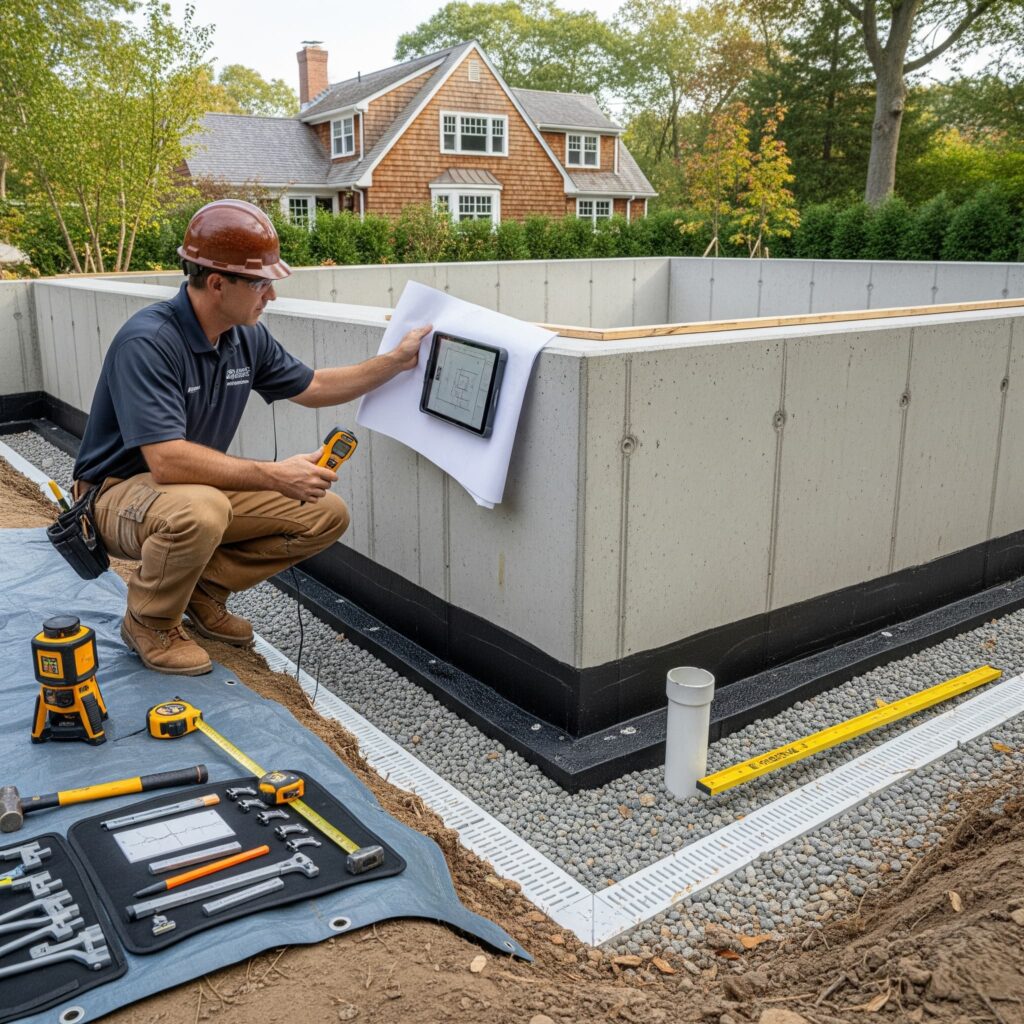
Foundation Problems and Challenges Found in Connecticut
Pyrrhotite Crisis
Thousands of homes in Connecticut and Massachusetts (at least 1,600 homes) contain pyrrhotite, a mineral that expands when exposed to oxygen and water. This expansion causes the concrete to crack and eventually crumble. In Connecticut, the cracking process can take 10-30 years or more until the foundation is structurally unsound. Replacement of the foundation can be extremely expensive (often hundreds of thousands of dollars). Although Stamford has fewer reported cases than Eastern Connecticut, understanding this problem can assist homeowners in making informed decisions about foundation testing and monitoring.
Coastal Environment
Stamford’s proximity to Long Island Sound introduces several foundation-specific challenges, including increased moisture exposure, salt-air effects on the concrete, and varying soil conditions in the coastal sandy areas and inland clay deposits. All these environmental factors increase the rate of natural aging of concrete and promote the necessity of proactive maintenance.
Variation in Moisture Management Throughout Stamford
Different neighborhoods throughout Stamford, from waterfront areas to inland neighborhoods surrounding Kosciuszko Park, have varying degrees of moisture management and, thus, require different types of preventative maintenance to maintain their foundation integrity.
Early Detection and Monitoring
Visual Inspection Protocols
Inspection of the foundation prior to it failing is critical to identifying problems before they result in the need for major concrete foundation repair. Cracks start very small and may take anywhere from 10 to 30 years to develop into larger cracks that signify structural instability. The most concerning type of horizontal crack is one that has splintered outward like a web; in addition to this type of crack, rust-colored residue or white powdery substance appearing on a wall is also indicative of concern.
Seasonal foundation inspections by homeowners can help identify new cracks, changes in existing cracks, or signs of moisture or unusual settling indicators. Periodic inspections by professional inspectors can provide an expert assessment of the overall condition of the foundation and identify potential problems earlier.
Professional Assessment Services
Evaluation of Foundations by Licensed Professional Engineers
A licensed professional engineer can evaluate the entire structure of a property and determine its structural integrity and potential for failure. A professional engineer can perform a comprehensive structural evaluation of a property, including structural assessment, material testing, and moisture analysis, as well as determine if the concrete contains pyrrhotite or if there are other potential problems that require correction. Core testing can determine whether the concrete contains pyrrhotite, which is the primary cause of the crumbling concrete found in thousands of homes in Connecticut and Massachusetts.
Professional assessment services can inform property owners of the current state of their foundation and what steps they can take to maintain and/or correct the foundation to meet the property owner’s objectives regarding the use and enjoyment of the property.
Moisture Management Systems
Drainage and Grading
Drainage is a key factor in preventing the accumulation of moisture around a foundation, which promotes the degradation of the foundation and increases the likelihood of freeze-thaw damage. Proper grading of a property directs water away from the foundation, and properly functioning subsurface drainage systems direct groundwater away from the foundation and reduce hydrostatic pressure on the foundation.
Connecticut’s varied precipitation patterns necessitate the use of robust drainage systems that can manage both typical precipitation and storm events. Properly functioning drainage systems can protect the foundation of a property from the negative impacts of moisture.
Waterproofing Technologies
There are several technologies available for waterproofing the exterior and interior surfaces of foundations. Exterior waterproofing technologies involve the application of a waterproof membrane to the exterior surface of the foundation walls to prevent water from entering the foundation. Interior waterproofing technologies involve the management of water once it enters the foundation through the use of drainage systems, sealants, and sump pumps.
Professional waterproofing services can analyze the conditions of a property and recommend an appropriate waterproofing solution using membrane barriers, drainage solutions, and sump pump installation that can provide multi-layered protection from moisture intrusion.
Structural Maintenance Strategies
Repair of Cracks and Seals
The prompt repair of foundation cracks can prevent water from infiltrating the foundation and can prevent structural deterioration of the foundation. Professionals utilize the appropriate materials and techniques to repair cracks depending upon the size, location, and reason for the crack. Small cracks may be sealed, while larger structural cracks require a full-scale repair of the foundation.
Proactive maintenance will prevent small issues from developing into larger problems that can require costly emergency concrete foundation repairs. Property owners who regularly schedule maintenance will ensure that cracks are identified and repaired before they compromise the integrity of the foundation or permit moisture to enter the foundation.
Prevention of Settlement
Settlement of a foundation can occur as a result of the fluctuation of moisture in the soil, poor compaction of the soil, or the fluctuation of drainage in the area of the foundation. Preventative measures, such as maintaining constant moisture levels in the soil, utilizing proper drainage, and addressing soil stability issues prior to their effect on the performance of the foundation, can mitigate the possibility of foundation settlement.
Professional soil analysis and foundation monitoring can detect settlement risks early and provide property owners with the opportunity to implement preventative measures to avoid potentially expensive repairs.
Environmental Protection Measures
Protection Against Freeze-Thaw Cycles
The freeze-thaw cycle in Connecticut places a considerable amount of stress on foundation materials. Maintaining the foundation with air entrainment in the concrete, maintaining proper drainage to prevent water accumulation, and utilizing protective measures during extreme temperatures can help protect foundations from seasonal temperature fluctuations.
Preventative measures include ensuring the proper air content of the concrete was maintained during the original construction of the property, maintaining the function of drainage systems, and taking measures to prevent excessive moisture exposure during freeze-thaw cycles.
Chemical Protection
The use of de-icing salts and other chemicals can also cause premature deterioration of concrete. Utilizing alternative de-icing products, maintaining drainage systems to prevent chemical runoff, and utilizing protective coatings can prevent damage caused by chemicals to foundation materials.
Winter maintenance practices in Stamford require consideration of the chemical impacts of de-icing agents on foundation materials, particularly where driveways and walkways are located adjacent to foundation walls.
Landscaping and Site Management
Control of Vegetation
Strategic landscaping can protect foundations while promoting the aesthetic appeal of the property. Selecting plants with roots that do not damage foundations, selecting plants that require the same level of moisture as the soil, and designing the landscaping to direct water away from the foundation walls are all considerations that can help protect the integrity of the foundation.
Planting trees that are large enough to provide desirable shade and erosion control while being far enough away from the foundation walls to prevent root damage from occurring is also an option. Professional landscape design can strike a balance between the aesthetic goals of the property owner and the protection of the foundation.
Management of Irrigation Systems
Designing landscape irrigation systems that do not produce excessive moisture near the foundation of the property is critical to prevent the degradation of the foundation. Designing irrigation systems to direct water away from foundation walls while maintaining healthy landscaping that provides erosion control and aesthetic appeal is possible. Smart irrigation controllers and moisture sensors can provide the necessary data to optimize the watering of the lawn and plants while minimizing the amount of moisture produced that can negatively impact the foundation.
Technology and Monitoring Solutions
Systems to Monitor Moisture Levels
Monitoring systems that measure the moisture levels, temperature changes, and structural movements in a property can provide early warnings to homeowners of potential foundation problems. Advanced monitoring systems can alert homeowners of the need to address problems prior to them resulting in structural instability.
Professional monitoring services can continuously monitor the foundation of a property and provide property owners with information regarding the status of the foundation and the environmental factors that can impact the long-term performance of the foundation.
Scheduling of Preventive Maintenance Programs
Implementing systematic maintenance programs can address the foundation needs of a property prior to the occurrence of problems. Professional maintenance services can include the scheduling of regular inspections, cleaning of drainage systems, monitoring of cracks, and the maintenance of waterproofing systems that extend the life of the foundation.
Scheduling maintenance programs can greatly reduce the cost associated with emergency concrete foundation repairs compared to performing the repairs after the foundation has failed. Scheduled maintenance can also provide property owners with the peace of mind knowing their foundation is being protected and their property is worth more than a property with a damaged or failing foundation.
Insurance and Financial Protection
Considerations for Insurance Coverage for Foundation Problems
Understanding the insurance coverage options for foundation problems can assist property owners in preparing for potential problems. Many insurance companies will not cover a foundation collapse that develops gradually over a period of time; therefore, property owners should consider investing in preventive measures and establishing an emergency fund for the repair of foundations.
In Connecticut, there are special programs related to the pyrrhotite crisis; however, the limitations of coverage and the costs involved make preventive measures the best way to protect a foundation.
Preservation of Property Values
The preservation of property values through the maintenance of foundations is essential to avoid the potential loss of value due to a damaged or failing foundation. Property owners experiencing problems with their foundation may see a decline in the value of their property of up to 25% or more, thereby reducing the value of the property and limiting the ability of the property owner to sell the property.
Documentation of regular maintenance activities and the results of professional inspections provides evidence of the owner’s efforts to properly maintain the foundation, thereby preserving property values and facilitating the sale of the property.
Emergency Preparedness
Reliability of Backup Systems
Backup systems can provide reliable protection to the foundation of a property in the event of a power outage or equipment failure. Battery-powered backup sump pumps, emergency water removal equipment, and rapid response procedures can all help to limit the damage to the property from unexpected events.
Professional emergency services can provide 24/7 response services for emergency situations involving the foundation of a property, including flooding, severe cracking, and sudden settlement that necessitate immediate attention to avoid catastrophic damage.
Planning for Emergency Situations
Developing a comprehensive emergency plan can include the provision of contact information for professional services, temporary protective measures, and access to financial resources to facilitate emergency concrete foundation repairs. Developing a plan in advance can help to expedite the response to an emergency and minimize the extent of the damage.
When developing an emergency plan, documenting the condition of the foundation, insurance information, and the contact information for professional services can facilitate a rapid response to emergency situations that require immediate action.
Professional Service Selection
Qualification of Contractors
Selecting qualified contractors is essential to ensure that any foundation work performed will meet established standards and provide long-term value. Licensed contractors with experience in Connecticut understand local conditions, building codes, and successful techniques for foundation protection and repair.
Establishing the qualifications of a contractor, requesting references from previous customers in Connecticut, and demonstrating experience with Connecticut-specific foundation challenges will help homeowners select competent service providers for their maintenance and repair needs.
Integration of Services
Completing comprehensive foundation protection often requires a coordinated effort among multiple professional service providers, including structural engineers, waterproofing specialists, and maintenance contractors. Ensuring that all components of a property’s foundation receive equal attention will enhance the effectiveness of any maintenance program developed by the homeowner.
Coordinating services can help homeowners establish efficient and effective maintenance programs that address structural, environmental, and aesthetic aspects of foundation protection over the life cycle of the property.
Long-Term Planning
Management of the Life Cycle of a Property
Protecting a foundation requires a long-term commitment to anticipate and prepare for changes in conditions, deteriorated infrastructure, and evolving maintenance needs. Professional lifecycle management can help property owners plan and prepare for the maintenance needs of the foundation over decades of ownership.
Developing strategic plans will include establishing budgets for periodic major maintenance, upgrading technology, and replacing systems that protect the foundation, and establishing a framework for future maintenance needs to ensure that the foundation remains intact over the life cycle of the property.
Enhancement of Property Value
Maintaining a well-planned foundation maintenance program will enhance the value of a property while providing functional benefits. Investing in high-quality prevention systems and establishing a regular maintenance schedule will pay dividends through reduced emergency costs, enhanced marketability of the property, and improved living conditions.
Professional planning can assist property owners in balancing short-term costs with long-term benefits and establishing a foundation protection strategy that satisfies both economic and practical goals effectively.
At Stamford Concrete Pros, we offer comprehensive foundation protection services that are tailored to meet the unique demands of Connecticut’s challenging environment. Our preventive maintenance programs include regular inspections, proactive repairs, and advanced monitoring systems to protect your investment in your foundation. Whether you need routine maintenance, emergency repairs, or a complete foundation evaluation, our experienced staff is here to provide the technical expertise and reliability you deserve. Contact us today to arrange for a foundation evaluation and discover the benefits of taking a proactive approach to protecting your home’s foundation.
LATEST POSTS