

Menu
Protecting Your Concrete in Stamford Winters: Essential Care Tips
Winter Concrete Maintenance Tips for Stamford Homeowners
As the leaves change and temperatures drop in Stamford, it’s time to prepare your concrete surfaces for the challenges of winter. At Stamford Concrete Pros, we understand that our local climate can be tough on concrete. From freeze-thaw cycles to de-icing chemicals, winter presents unique threats to your driveways, patios, and walkways. Let’s explore essential care tips to keep your concrete in top condition throughout the cold months.
Understanding How Winter Affects Your Concrete
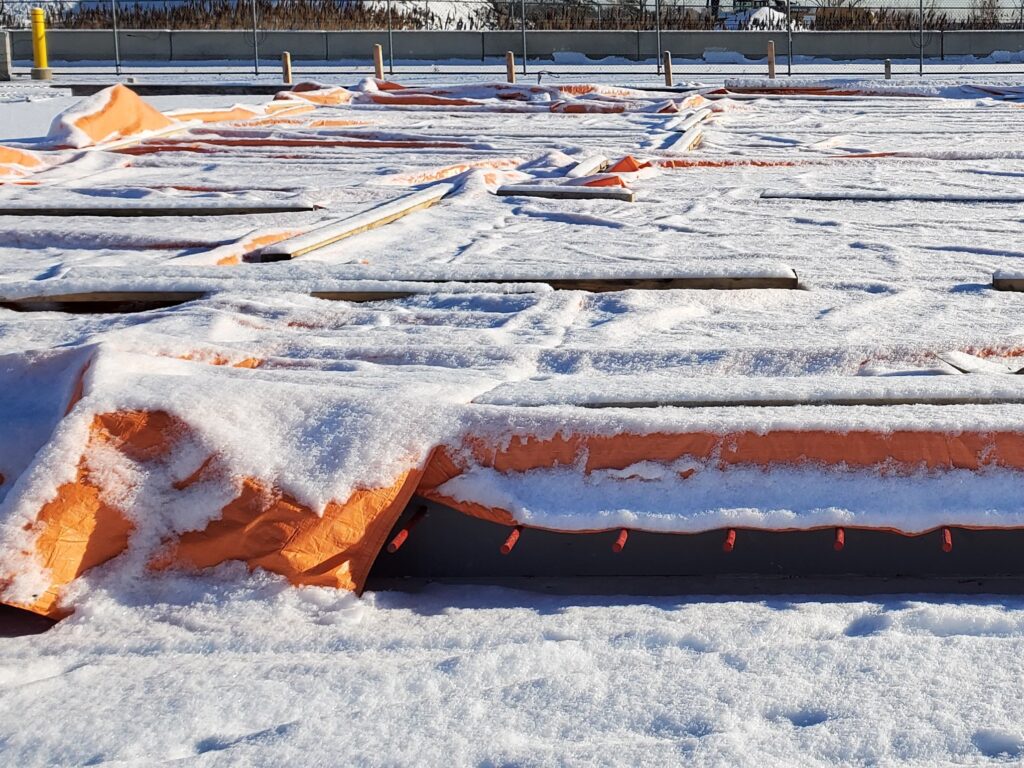
Winter’s effects on concrete should be understood before you begin to explore ways to care for your concrete.
- Freeze-thaw Cycle: When water freezes, it expands, which could create a crack in your concrete.
- De-icing Chemicals: Although useful for creating a safe walking area during winter months, de-icing chemicals may be harsh to your concrete surfaces.
- Snow & Ice Accretion: The longer snow and ice sit on your concrete surfaces, the longer moisture will have access to your concrete through various means.
- Thermal Shock: Rapidly changing temperatures can cause your concrete to expand and then contract rapidly, potentially leading to cracking and/or spalling.
Understanding the potential negative impacts on your concrete due to winter, we’ll proceed to discuss how you can protect your concrete this winter.
1. Seal Your Concrete This Fall
Sealing your concrete is similar to placing a “winter coat” on it. The protective coating provides an additional layer of protection against moisture and de-icing chemicals.
How to Seal Your Concrete:
- Thoroughly clean your concrete surfaces.
- Choose a good-quality, weather-resistant sealer.
- Seal in dry weather when the temperature is above 50°F (10°C).
- After sealing, allow sufficient time for the sealer to cure prior to winter weather arriving.
Tip: If you were unable to seal your concrete this fall, schedule your spring sealing so that you will be protected from next winter.
2. Clear Snow as Quickly as Possible
Removing snow quickly will reduce the amount of time that the snow has the opportunity to rest on your concrete, therefore limiting the amount of time the snow will expose your concrete to moisture and the risk of freeze-thaw damage.
Best Practices for Removing Snow:
- Use a plastic shovel to prevent scratching the surface of your concrete.
- Use a non-metal blade to prevent chipping or scratching your concrete.
- Investing in a snow blower with rubber-tipped blades would be a good option if you have large areas of snow-covered concrete.
Stamford Specific Advice: Stamford experiences some of the heaviest snowfalls; removing snow as quickly as possible is particularly important to limit the amount of time the snow remains on your concrete.
3. Use Caution When Using De-icers
The Dilemma of Using De-icers on Your Concrete: De-icers are necessary for creating a safe walking area in the winter; however, many de-icers can be detrimental to your concrete, especially in the first year after your concrete was installed.
Alternatives to Using Salt:
- Sand or kitty litter for traction.
- Calcium magnesium acetate (CMA) is less hazardous to concrete and vegetation.
- Propylene glycol-based de-icers are less toxic to pets and less hazardous to concrete.
If You Must Use Traditional Salt:
- Use as little as possible.
- Quickly remove slush to limit the time that the slush remains on your concrete.
- Do not apply salt to recently poured concrete (less than one year old).
Stamford Local Insight: Stamford typically has temperatures ranging from 25°F (-4°C) to 30°F (-1°C). In these temperatures, removing snow quickly may eliminate the need for applying de-icers to your concrete.
4. Make Sure That You Are Not Allowing Water to Pool on Your Concrete Surfaces
Why Draining Your Concrete Surfaces Is Important: By ensuring that your concrete surfaces drain properly, you will be preventing water from accumulating on your surfaces. Preventing water accumulation will decrease the possibility of freeze-thaw damage.
What to Do About Poor Draining:
- Verify that your concrete surfaces slope away from your building(s).
- Verify that your gutters and downspouts are clear of debris and functioning properly, and that excess water does not flow onto your concrete surfaces.
- Repair any low areas where water may accumulate.
Seasonal Tip: Verify that your draining system is functioning properly in late fall before the first freeze to ensure that there is no clogging occurring.
5. Do Not Use Pressure Washing During the Winter Months
Why You Shouldn’t Use Power Washing During Winter: Power washing during cold weather can push water into your concrete, which can lead to freeze-thaw damage.
Cleaning Alternatives:
- Regular sweeping to remove debris.
- Use a gentle detergent and a soft-bristled brush for stain removal.
- Waiting until spring arrives, when temperatures remain above freezing, to perform a thorough power washing and/or cleaning.
Timing Matters: Smaller cracks can develop into larger cracks in short order during the winter months as water enters the concrete and freezes.
Trust Stamford Concrete Pros to Help Protect Your Concrete Investment From Winter Damage
Here at Stamford Concrete Pros, we are your year-round concrete care experts. We know what makes Stamford winters different for concrete and provide:
- Pre-winter inspections and sealing services.
- Expert advice regarding winter concrete care.
- Professional service repairs for damage resulting from winter.
- Customized solutions for problem areas, including installing heated driveways.
Protect your investment in your concrete by providing adequate care and assistance from a professional expert throughout the winter. Call Stamford Concrete Pros today to ensure your concrete is prepared for whatever this winter brings.
Stamford Concrete Pros – Protecting Your Concrete Throughout the Seasons
LATEST POSTS